

Identity Verification for Banks: Secure Customer Onboarding
Banks don’t have to choose between security and customer experience. Identity verification for banks helps create trusted digital onboarding journeys with secure customer checks and smoother banking experiences.


Trusted Identity Verification for Modern Banking
As part of Bluem, okID has built strong trust among customers by providing secure and reliable identity verification solutions.

Solutions for Bank Identity Verification
The solutions below help banks securely verify customer identities, reduce friction during digital onboarding, and create more reliable identity verification workflows across their banking services.
KYC Verification
This product helps banks verify and confirm customer identities during onboarding by checking identity documents and matching the provided information with customer details.
Fraud Prevention
Helps banks reduce identity fraud risks by identifying suspicious identity attempts before customers enter the banking system.
Digital Onboarding
Supports secure remote account opening with digital identity checks and bank account verification workflows.
Account Takeover Prevention
Adds an extra layer of identity verification for sensitive account actions to reduce unauthorized access risks.

How Identity Verification for Banks Works
okID verifies bank customer identities through a simple 4-step process:
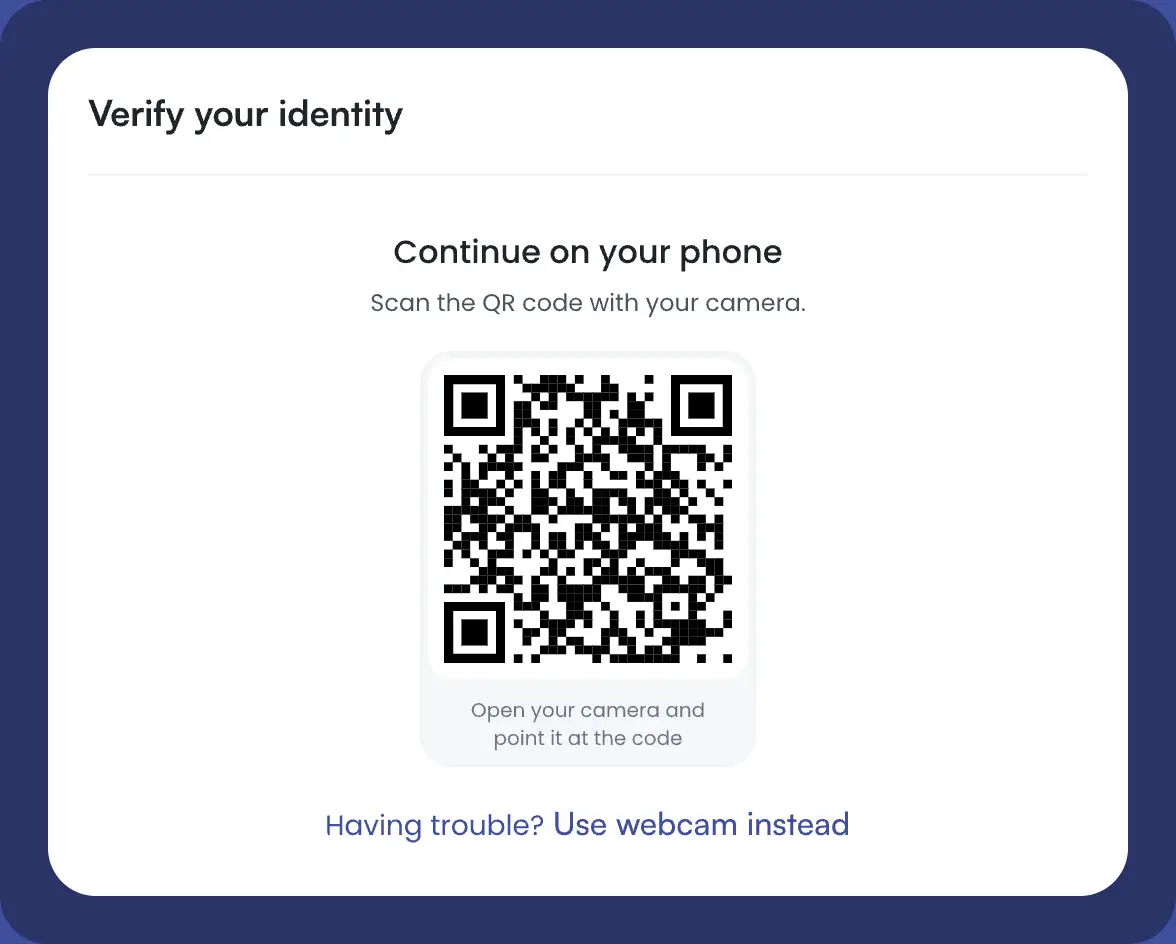

1. Customer Starts Verification
The customer submits their identity document and completes the required verification steps through the bank’s digital journey.
2. Document Verification
okID checks the submitted identity document, extracts relevant information, and validates document authenticity.
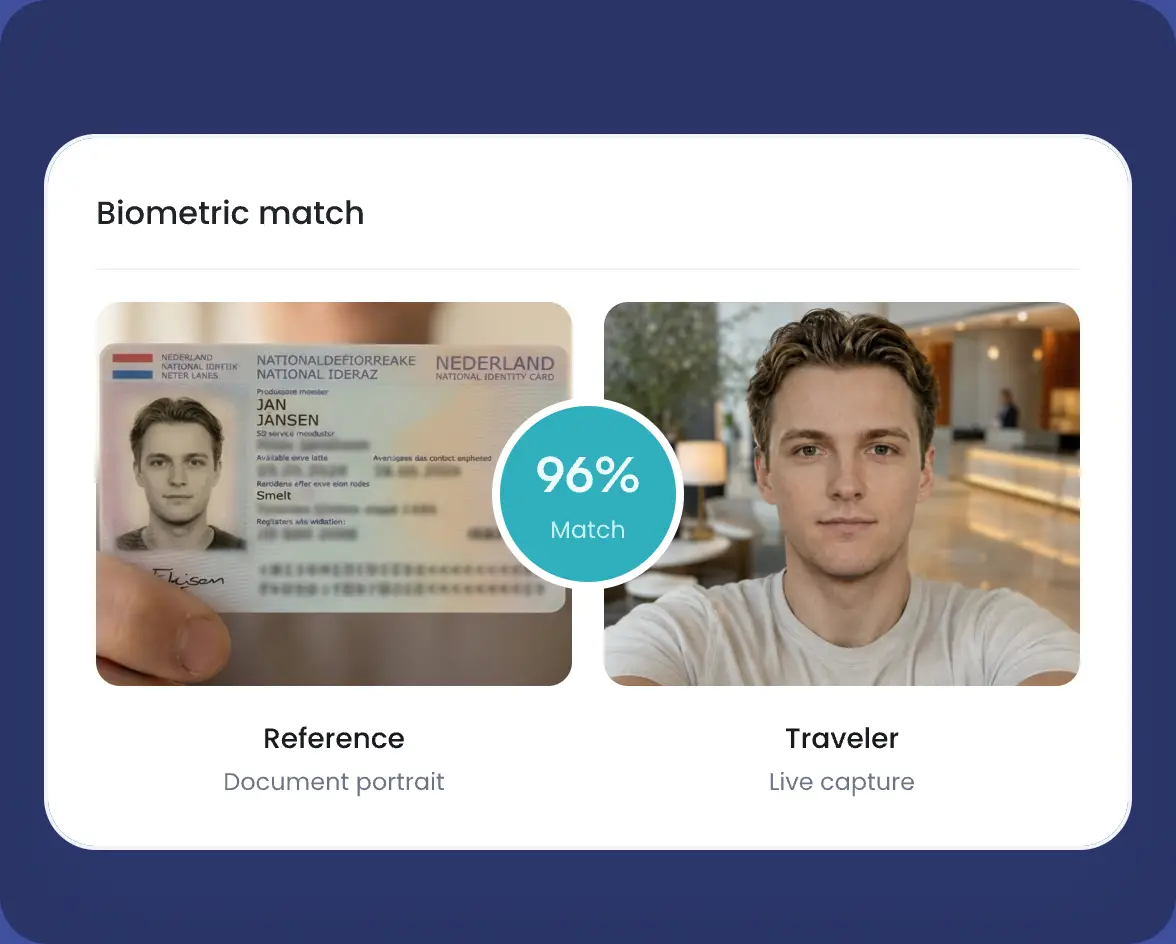
3. Face Matching & Liveness Detection
Biometric verification compares the customer’s face with the document photo and confirms that a real person completes the check.
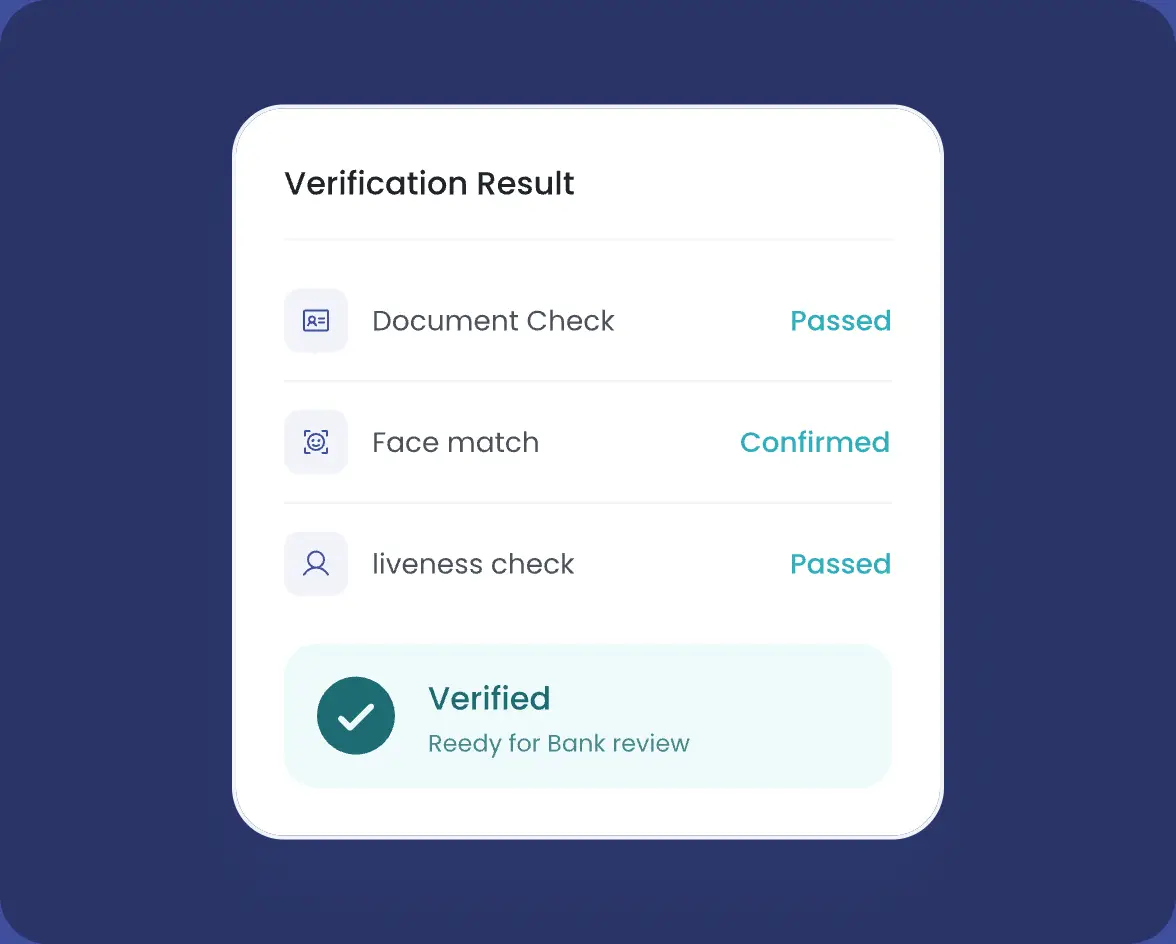
4. Verification Result Delivery
The completed verification result returns to the bank’s workflow for review, onboarding decisions, or further action.

Identity Verification Products for Banks
The following products help banks verify customers securely, reduce onboarding friction, and support trusted digital banking experiences.

Verifies customer identity documents and extracts key information to support faster and more reliable bank onboarding processes.
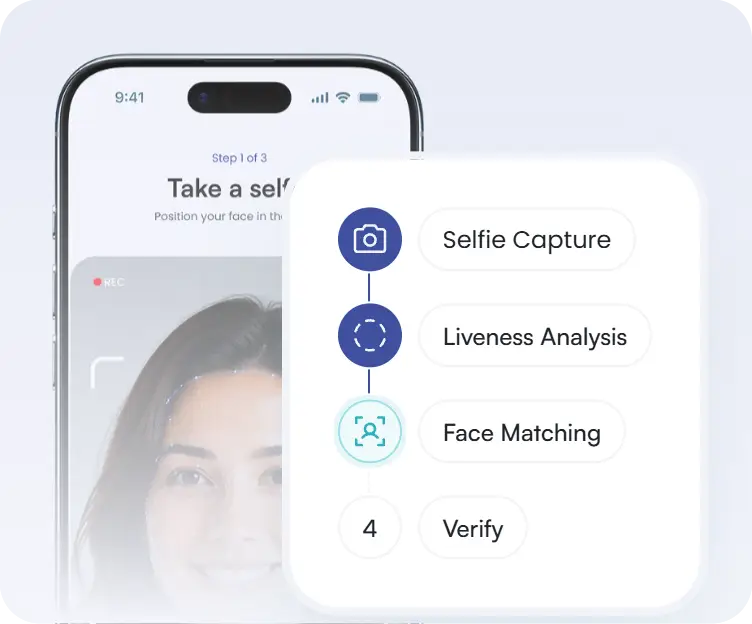
Confirms that a real customer is completing the verification process by detecting live presence during identity checks.
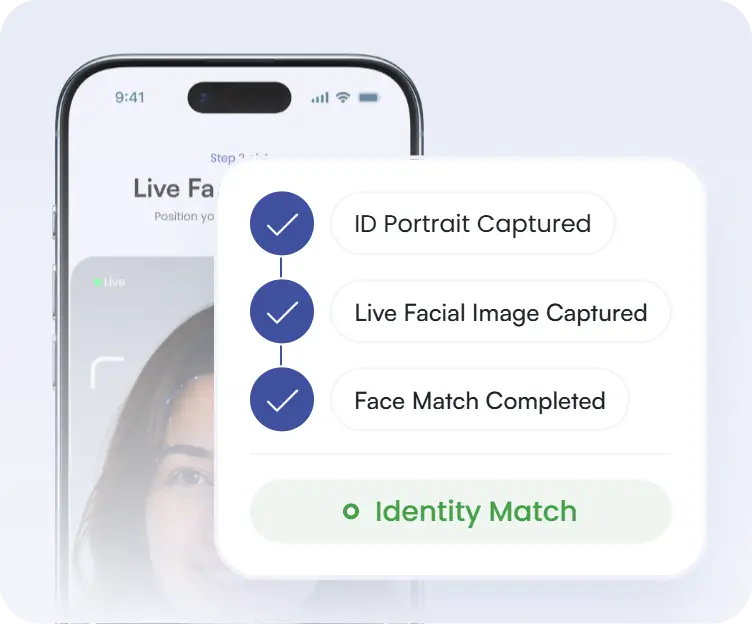
Compares the customer’s face with the photo on their identity document to support remote customer verification during digital onboarding.

FAQs About Identity Verification for Banks
Find answers about bank identity verification with okID.
Still have a question? Ask a Question
How does bank customer identity verification work?
Banks verify customer identities by checking identity documents, comparing the customer’s face with the document photo, and using liveness detection to confirm a real person completes the check.
How does identity verification support digital customer onboarding?
Identity verification allows banks to complete customer checks remotely during account opening. It verifies the customer’s identity before they access banking services.
How can banks automate customer identity verification?
Banks automate customer identity verification by connecting digital verification workflows to their onboarding process. These workflows check identity documents, extract customer information, and run biometric checks to reduce manual effort and speed up verification.
How does document verification help banks verify customers?
Document verification checks customer identity documents, extracts information, and confirms the details provided.
How do biometric verification and liveness detection support banking onboarding?
Biometric verification compares the customer’s face with their ID photo, while liveness detection confirms that a real person completes the check.
Can banks verify customers remotely?
Yes. Digital identity verification allows banks to verify customers remotely through document checks, biometric verification, and bank identity verification workflows.
Build Secure Banking Identity Verification Workflows
Connect with our team to explore how identity verification for banks, including bank account verification services, can support secure customer onboarding.
Talk to our team about your markets, player journey and verification requirements.