






Account Takeover Prevention Beyond Login Security
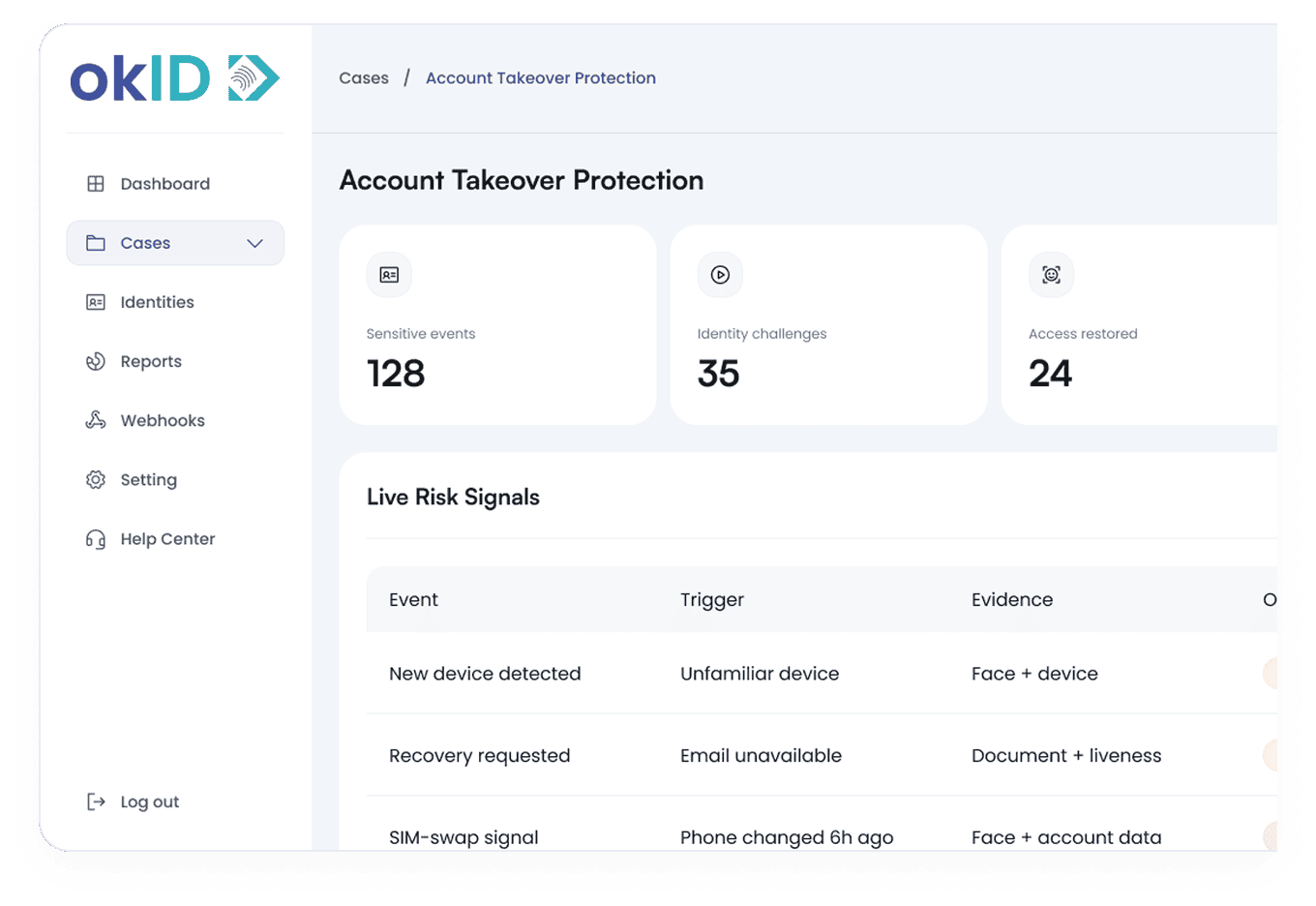
okID verifies identity before account recovery, security changes, and other sensitive actions.
- Verify Customers at High-Risk Moments
- Secure Recovery and Account Changes
- Connect Through API, SDK, or Hosted Flow

Trusted by businesses that need greater certainty around customer identity and account access.


Identity Checks Your Security Team Can Stand Behind
Bluem develops okID and supports security reviews with an ISAE 3402 Type II audit, clear records, privacy documentation, and integration guidance.


Account Takeover Prevention for Critical Account Events
Apply stronger identity checks at the exact moments where account takeover risk is highest — not as a blanket rule across every login.
Secure Account Recovery
Reverify the customer before restoring access when trusted authentication factors have been lost or compromised.

Protect Contact Changes
Confirm identity before replacing the email address or phone number used for authentication.

Verify New Devices
Apply stronger identity checks when a new or unrecognized device attempts a sensitive action.

Protect High-Risk Transactions
Reverify the customer before withdrawals, beneficiary changes, payments, or other high-value actions.

okID's Account Takeover Prevention Stack
Four verification products working together to confirm the right person is behind every high-risk action before your systems approve it.
Stolen Document Check
Screen submitted documents against known stolen and compromised document records to catch fraudulent identity documents before they reach the verification flow.
Explore Stolen Document Check

Biometric Face Recognition
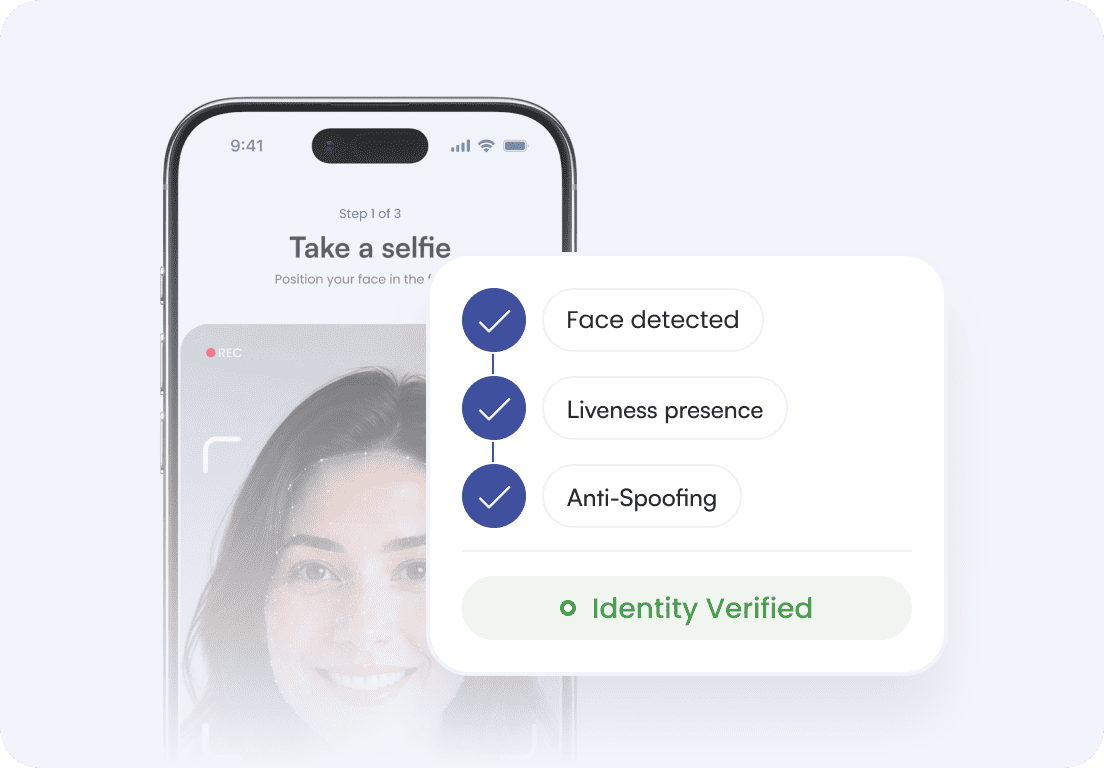
Compare live facial capture against a verified identity reference to confirm the person completing the request matches the account holder.
Explore Biometric Face Recognition

Liveness Detection
Confirm a real, present person is completing the verification, not a photo, video replay, or spoofed capture.
Explore Face Liveness Detection
Document Verification
Request and scan identity documents for re-verification when the risk level or event calls for stronger evidence.
Explore Document Verification
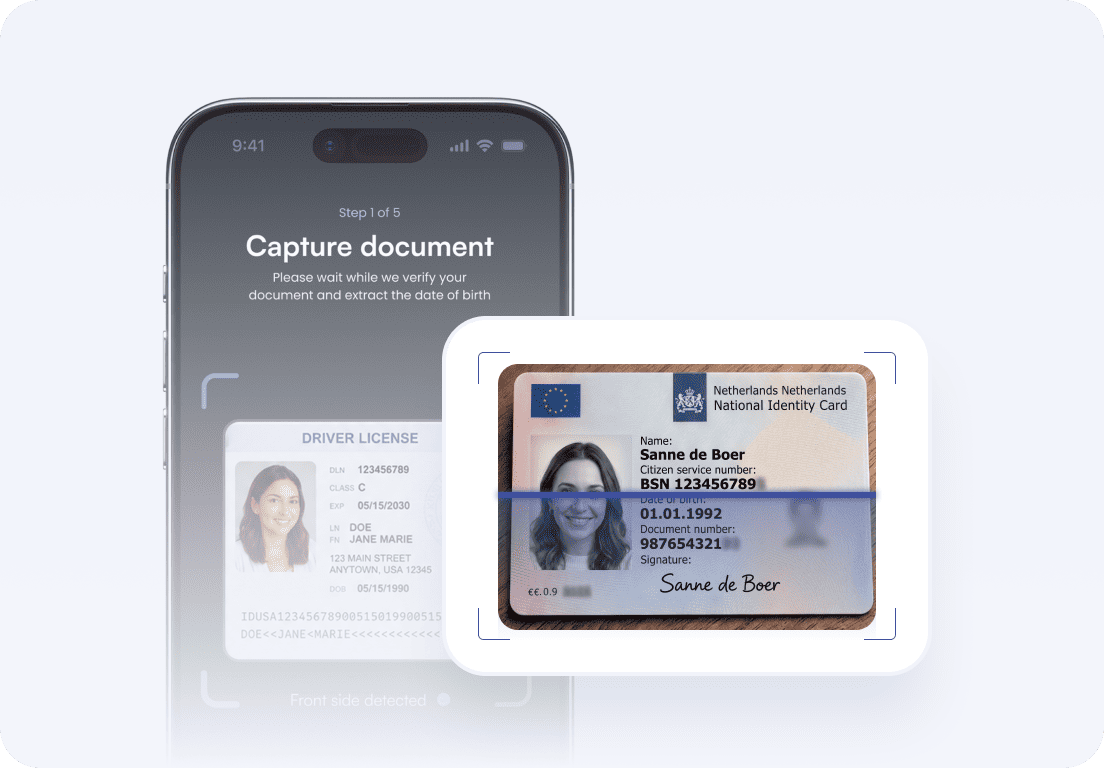
Stop Account Takeovers Before They Happen
Protect accounts during high-risk moments with biometric verification, liveness detection, and adaptive authentication without making legitimate users jump through unnecessary hoops.
Biometric Verification
Liveness Detection
Account Recovery
Step-Up Authentication
API Integration
Verified Account Ownership
Make sure the person accessing an account is actually the person who owns it, using facial matching and liveness checks.
Secure Account Recovery
Add stronger identity checks to password resets and recovery flows when a password alone isn’t enough.
Risk-Based Step-Up
Request extra verification when something looks suspicious, while keeping everyday access quick and friction-free.
Flexible API Integration
Bring account takeover protection into login, recovery, and other high-risk flows with secure, flexible APIs.
Account Takeover Prevention for High-Risk Accounts
The point of greatest risk is different for every business. okID can be added wherever an account change, recovery request, or transaction needs stronger identity evidence.
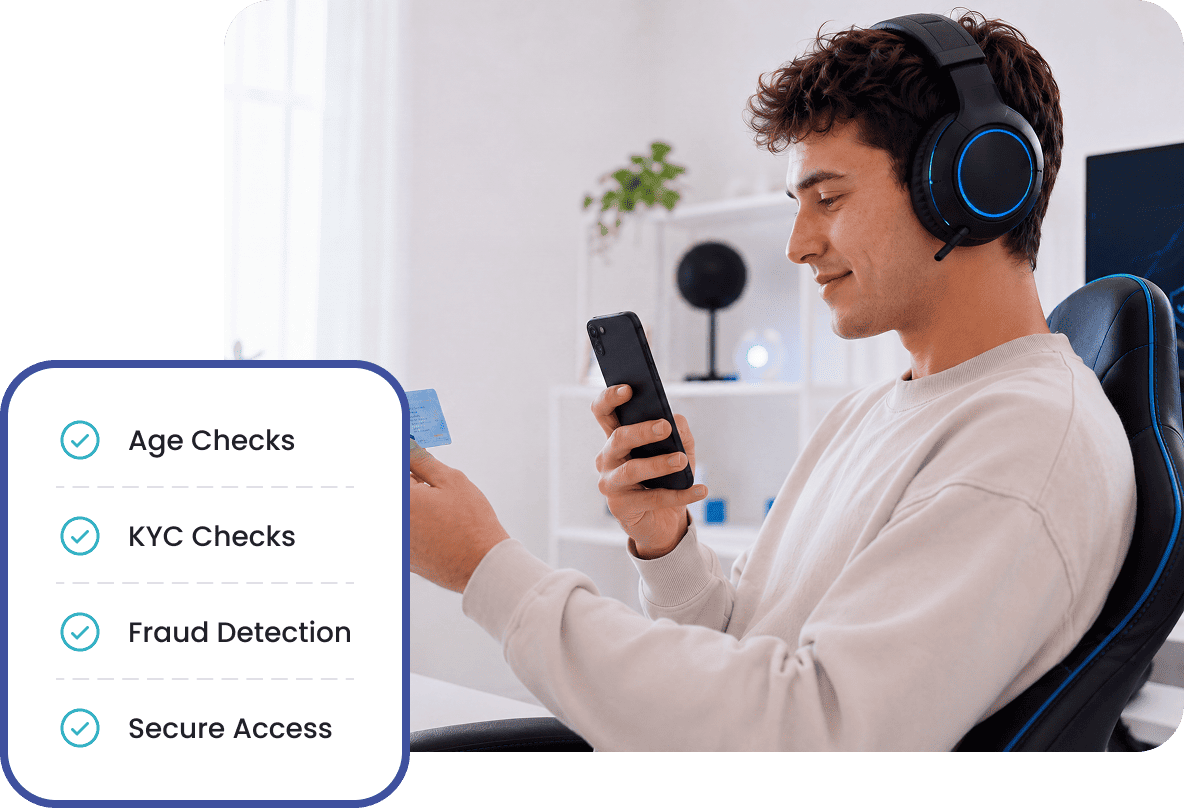
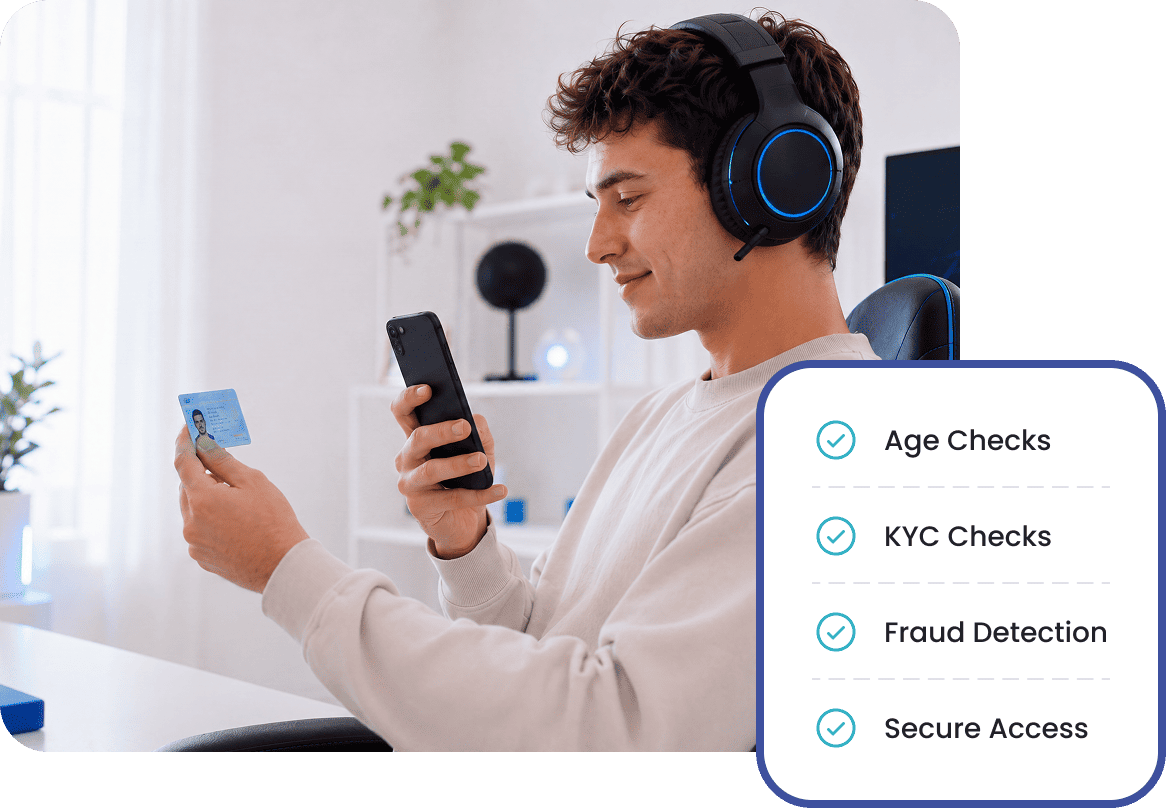
iGaming
Check a player’s identity before restoring access, replacing payment details, or releasing a high-risk withdrawal.
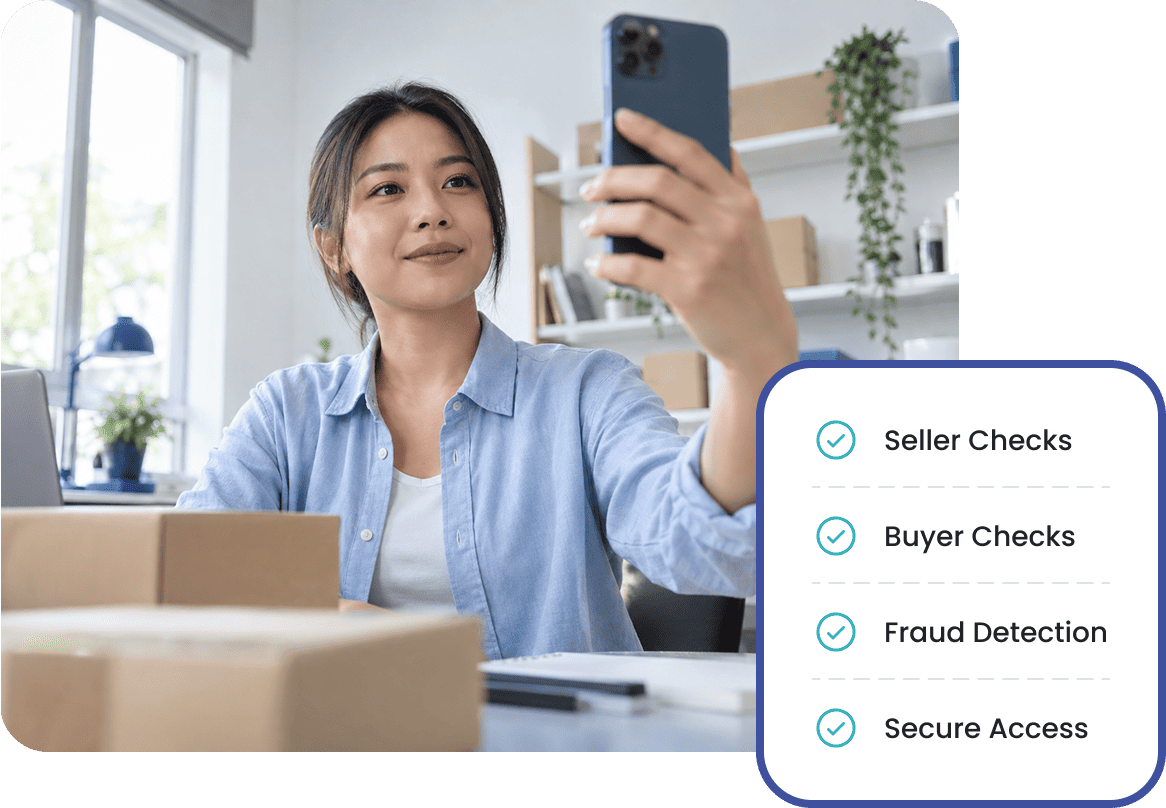
Marketplaces
Protect seller accounts and payout information when credentials are compromised or ownership becomes uncertain.

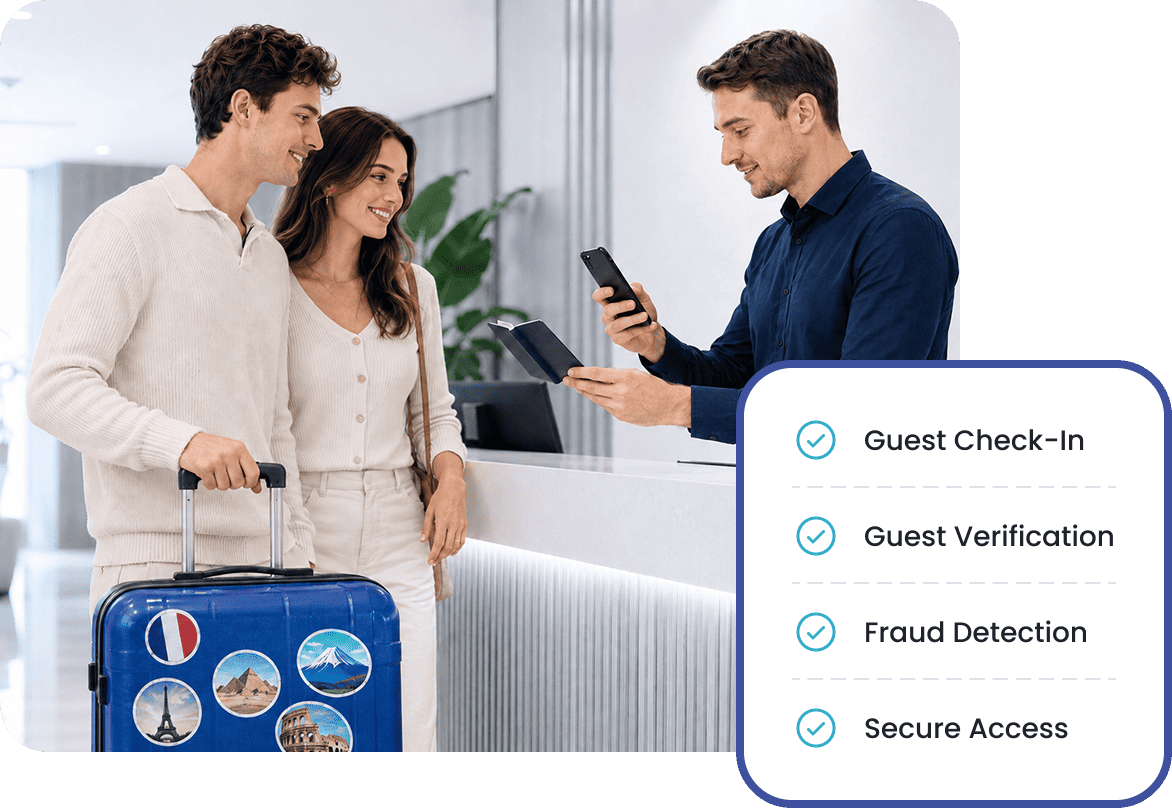
Travel & Hospitality
Secure loyalty balances, booking changes, stored payment methods, and valuable customer accounts.

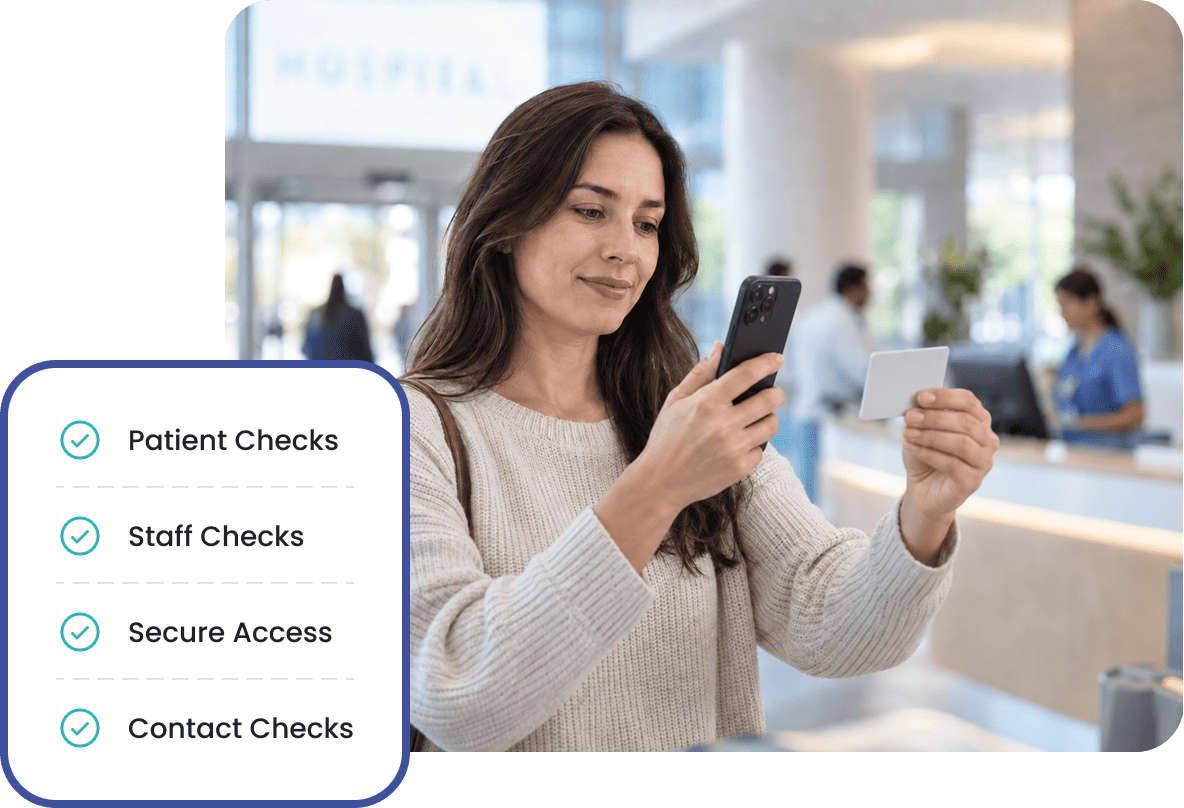
Healthcare
Verify the patient before restoring portal access or exposing records and other protected account information.
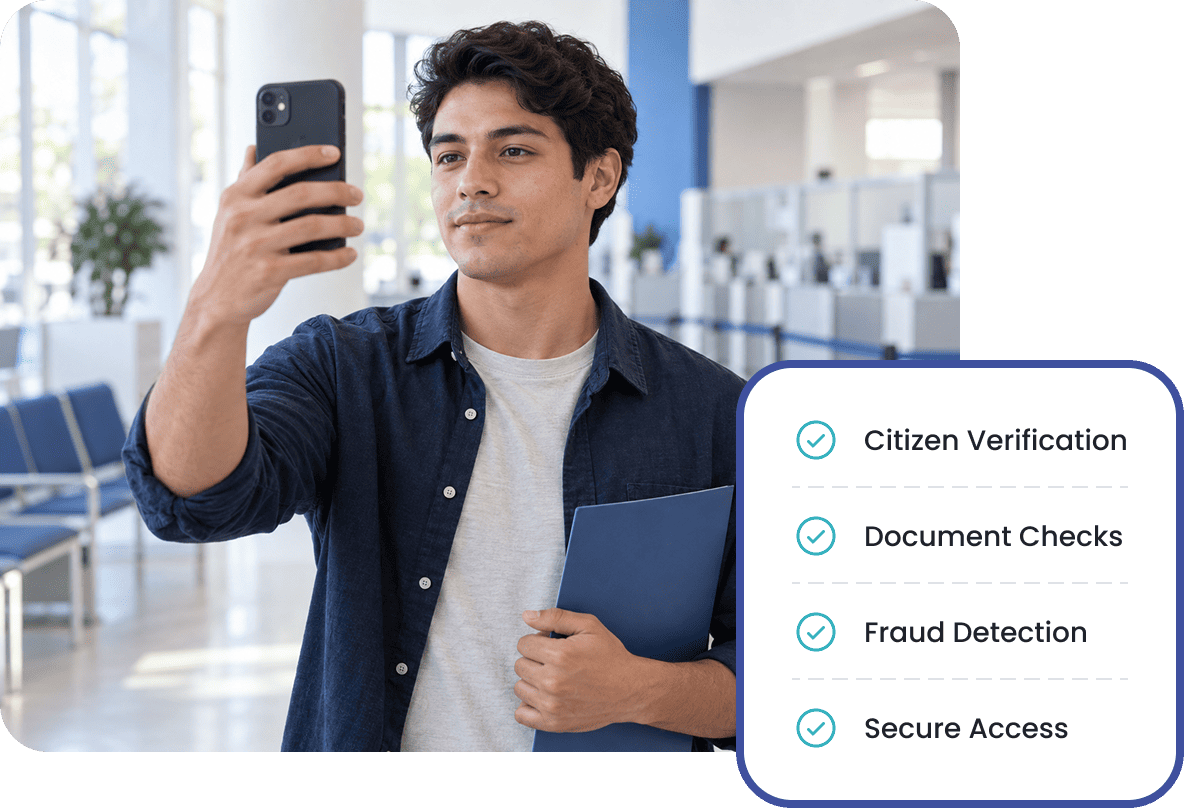
Government
Add stronger identity evidence to citizen-account recovery, benefit access, and protected online services.

Digital Platforms
Protect user accounts when someone attempts to recover access, replace security details, or change privileged settings.
What Customers Say About Protecting Account Access
Teams use okID to bring identity verification into sensitive account journeys without turning every routine interaction into another security check.
Account Takeover FAQs
Straightforward answers about account takeover fraud, identity reverification, and protecting sensitive account activity.
Still have a question? Ask a Question
How does identity verification help prevent account takeover fraud?
It checks the person behind the request rather than relying only on a password, OTP, or active session. Depending on the risk, the customer may be asked to complete a face match, liveness check, document scan, or contact verification.
Can okID protect account recovery?
okID can add identity reverification before access is restored. This is particularly useful when the customer’s password, trusted device, email address, or phone number may have been lost or compromised.
When should a business trigger identity reverification?
Common triggers include account recovery, an unfamiliar device, contact-detail changes, new beneficiaries, withdrawals, large payments, or activity that does not match the customer’s usual journey.
What happens if the customer's email address or phone number is compromised?
The affected channel should not be accepted as the only proof of identity. A separate biometric or document check can confirm the customer before contact details are changed or account access is restored.
How does okID connect with existing authentication and fraud systems?
Your existing system can start an okID verification journey through an API, SDK, webhook, or hosted flow. okID then returns a structured result to the workflow where the request began.
Will account takeover prevention create more friction for customers?
It does not need to challenge every user. Additional checks can be reserved for events where the risk justifies them, allowing normal account activity to continue without interruption.
Know Who Is Behind the Next Sensitive Account Request
Concerned about drop-off? Request an okID demo today. Bring account takeover prevention into account recovery, security changes, and high-risk transactions before an attacker can turn access into fraud.