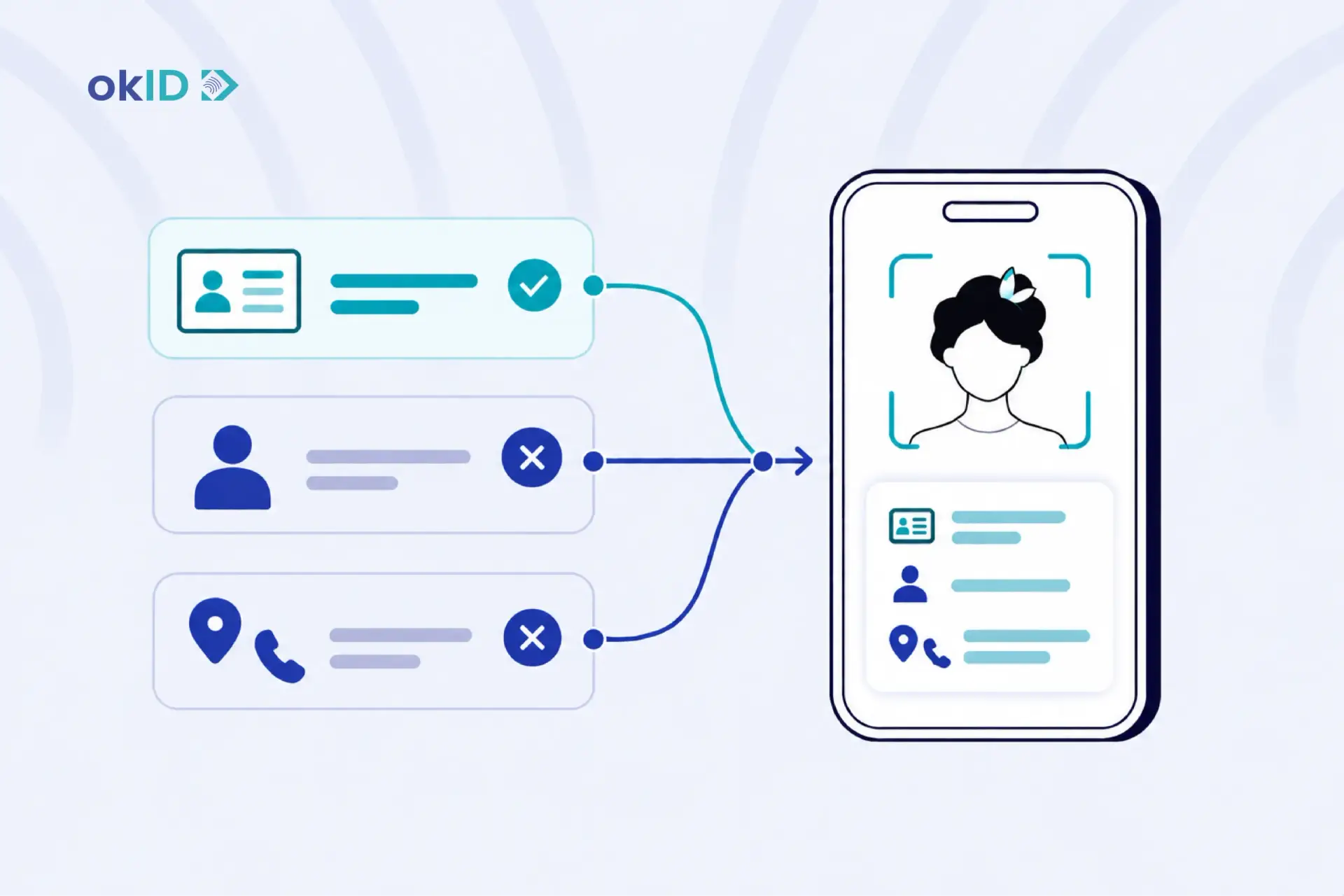
Synthetic identity fraud can start with a genuine ID number used alongside a name, address, or contact detail that was created for the application. That mix can look convincing enough to get through early checks, even though the profile does not represent one real person. Credit-building patterns are more common in markets with credit bureau systems, while in other markets synthetic identities surface through account abuse, payment fraud, or platform misuse.
For businesses, this creates a serious detection problem. A synthetic customer may open an account, build a normal-looking history, and only become suspicious later when inconsistencies begin to appear.
This article explains how synthetic identities are created, which warning signs businesses should watch for, and how they can detect and prevent this type of fraud during onboarding and after approval.
Key Takeaways
- A synthetic account can look ordinary at first and only raise concern after it has been active for some time.
- An ID check may succeed, but a later mismatch between the customer’s face, device, or account links can change the risk picture.
- A login from a new device shortly after contact details are changed can expose a problem that was not visible at signup.
- Higher-risk cases need more scrutiny, while lower-risk customers should not face the same level of friction.
How Does Synthetic Identity Fraud Create a Fake Person?
A synthetic identity can begin with one genuine identifier attached to details that were invented, changed, or taken from another source. Some profiles are built almost entirely from mixed information, while others start with an existing identity and change only a few details.
Acquiring Real Personal Data
A breached customer record might reveal a phone number and email. From there, the fraudster can fill in one or two missing details from another source, such as a compromised account or a stolen ID scan.
Combining Real and Fabricated Attributes
The fraudster may keep one real identifier and change only the details needed to make the application work under a different identity.
Creating Supporting Identity Evidence
A fraudster can use a counterfeit or altered ID with an AI-generated portrait, then add fake employment, income, or online records to make the identity look more established.
Testing the Identity Against Business Controls
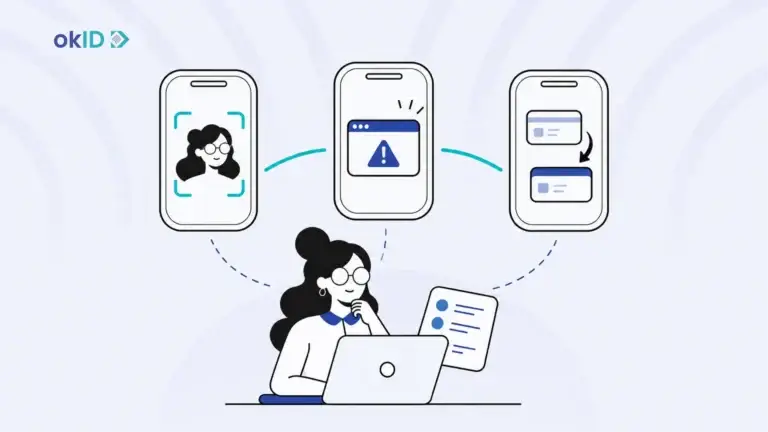
Businesses should watch for the same applicant returning several times with small changes to the submission. If an application is resubmitted shortly after rejection with only one detail changed, businesses should treat that pattern as a possible attempt to test the onboarding controls.
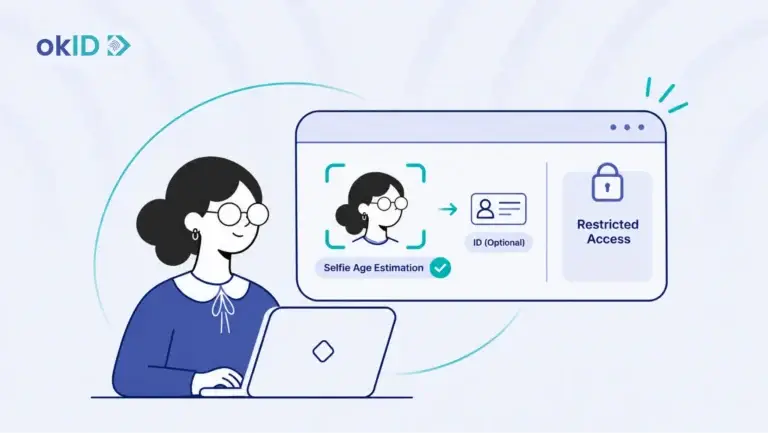
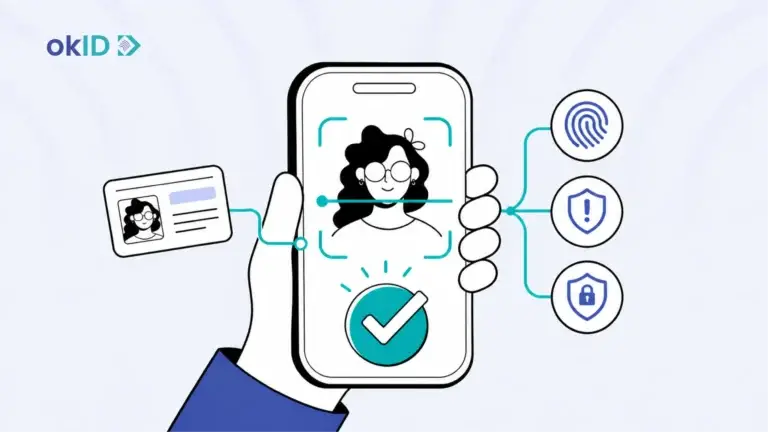
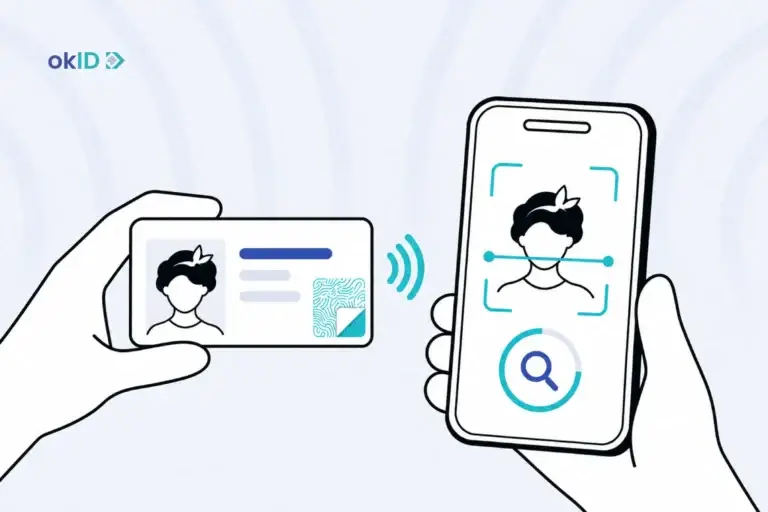
An identity verification platform such as okID can examine the document, compare the applicant with the portrait, and check for liveness. That still leaves the wider profile to be checked for consistency.
How Does Synthetic Identity Fraud Differ From Identity Theft?
Traditional identity theft uses an existing person’s identity or credentials. Synthetic identity fraud creates a new persona from a mixture of genuine and fabricated elements. Because the synthetic persona is not a complete copy of a victim, there may be no real person monitoring the account and reporting suspicious activity. When a synthetic account behaves normally for months and later defaults, the resulting loss can be classified as credit risk or bad debt rather than identity fraud.
| Comparison | Synthetic identity fraud | Traditional identity theft |
|---|---|---|
| Identity used | Newly assembled or manipulated persona | Existing real person’s identity |
| Data | Mix of genuine, stolen, altered, and fabricated elements | Primarily, real credentials belonging to the victim |
| Victim signal | Often, there is no single clear victim to report the account | A real victim may notice unauthorized activity |
| Fraud timing | It may develop over months or years before the main fraud occurs | Existing credentials may be exploited more immediately |
| Account or credit history | Fraudsters may gradually build a legitimate-looking history | The stolen identity may already have an established history |
| Detection challenge | Valid individual elements can appear consistent enough to pass basic checks | Activity may conflict with the real person’s established behavior |
| Business impact | Losses may look like delinquency, charge-offs, or bad debt | Fraud is more readily linked to the unauthorized use of a real identity |
How Do Synthetic Identities Build Credibility?
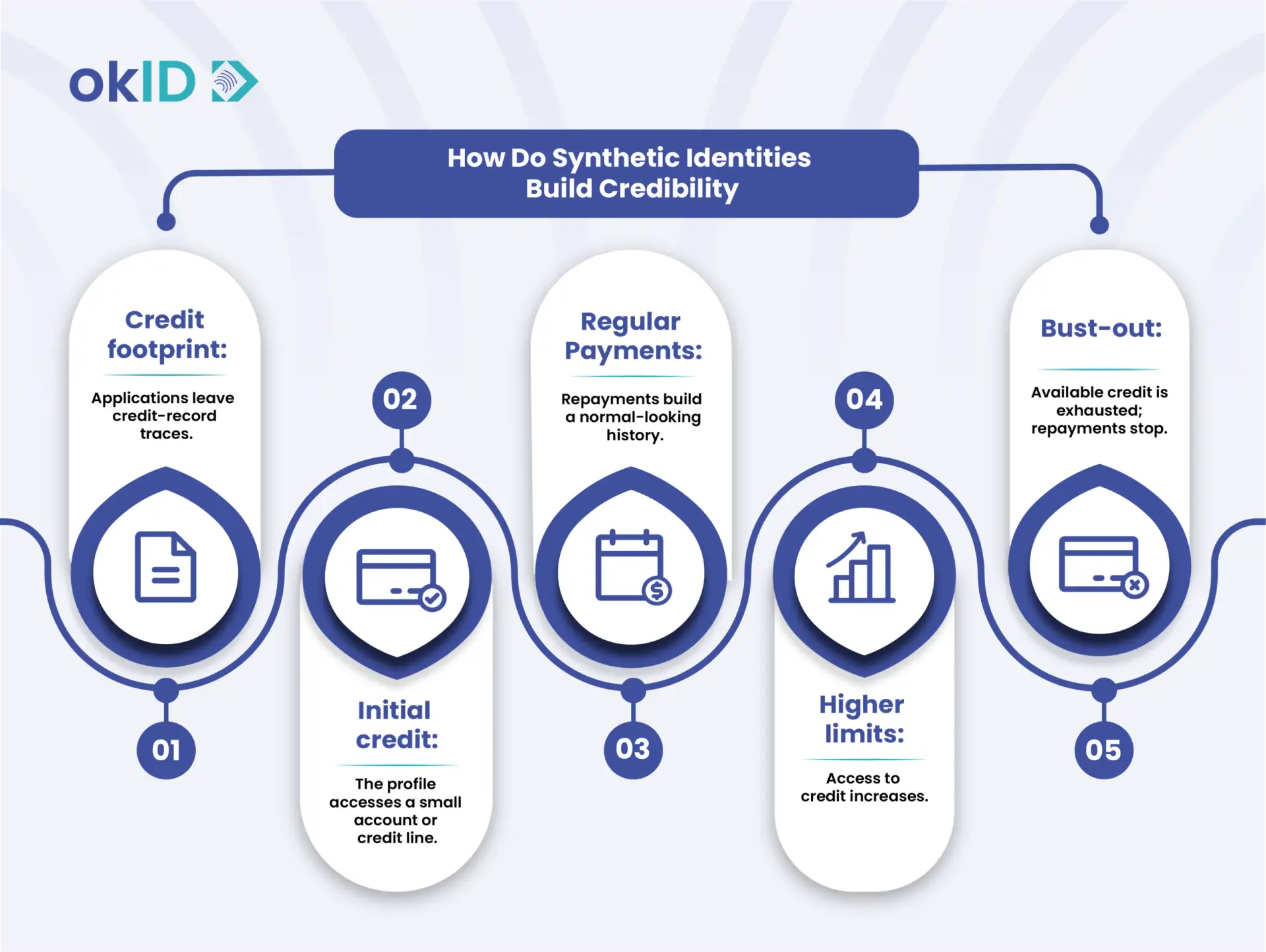
A synthetic identity can gradually build a credit history before it gains access to larger amounts of credit. An unmonitored ID number may start appearing in credit records, and even rejected applications can leave a trace with credit bureaus. In some cases, the synthetic identity is added as an authorized user on a legitimate, established account, which can help it benefit from that account’s existing history.
Once that initial history is in place, the synthetic profile can qualify for a small account or credit line. The fraudster makes regular payments for a period of time to build trust and gain access to higher limits. When enough credit becomes available, the fraudster can use it up and stop making payments, a pattern known as a “bust-out.”
A similar pattern can appear outside traditional credit systems. On e-commerce and marketplace platforms, a buyer or seller account may behave normally for a period of time before being used for fraud. This is why Fraud prevention software for e-commerce needs to look at what happens after signup, not just the first application.
Why Is Synthetic Identity Fraud Hard to Detect?
Synthetic identity fraud can hide behind details that look legitimate on their own. The problem appears when those details are compared, and the name, phone number, address, or document no longer point to the same person.
With little history to question and months of ordinary account activity behind it, a synthetic profile can blend in with legitimate customers until its behavior eventually changes.
When activity is spread across several organizations, a synthetic profile can look clean at onboarding and only raise concern months later, by which point the loss may be recorded as delinquency or bad debt rather than fraud.
Which Patterns Can Signal Synthetic Identity Fraud?
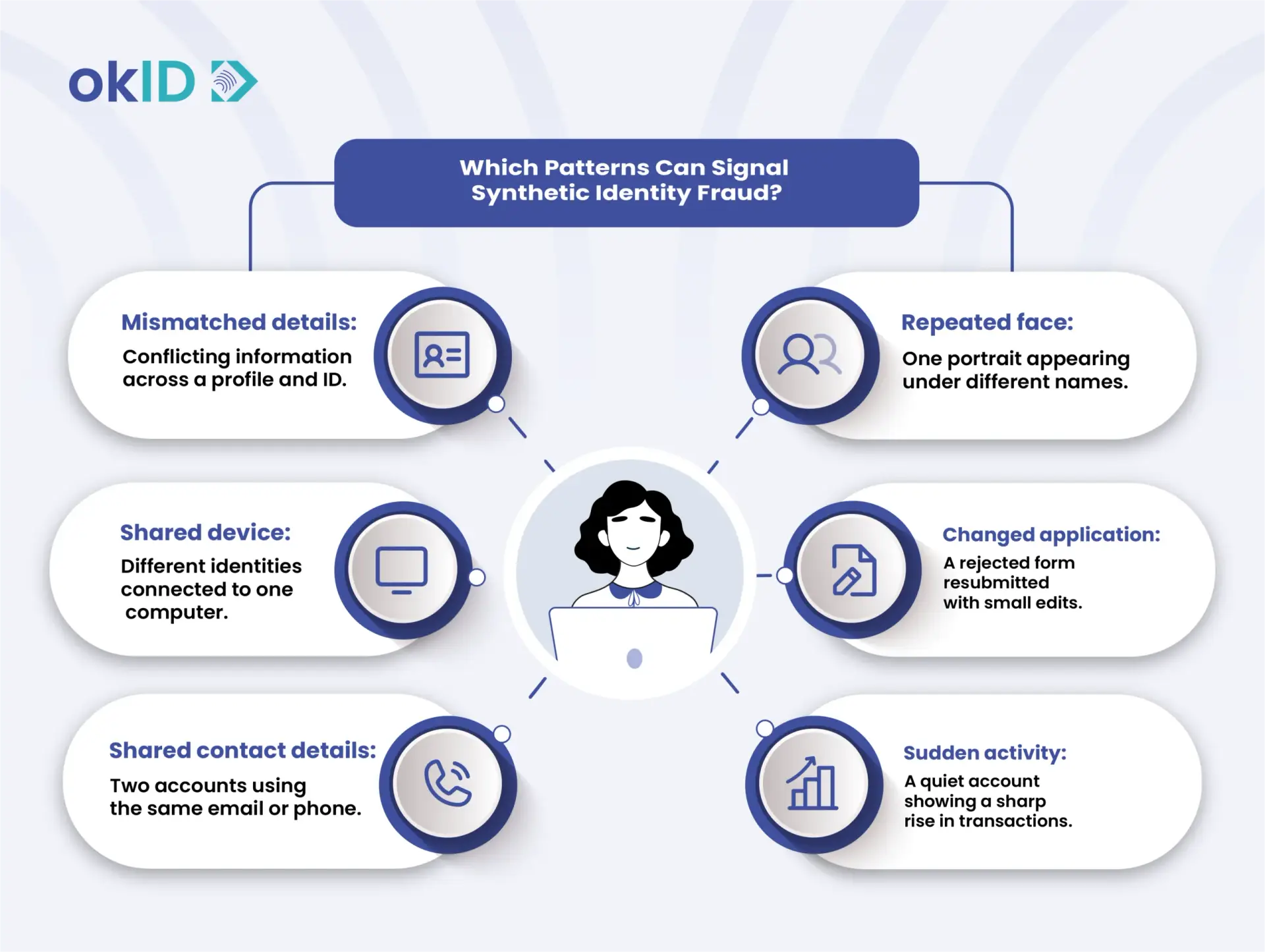
A recently created phone number is not suspicious by itself. But if that same application also uses a device tied to other identities or shows details that do not line up with the document, the pattern becomes harder to dismiss.
- Identity details like name, date of birth, and address do not match when checked together.
- A recently created phone number or email appears alongside an identity that is supposed to be well established.
- Different names keep leading back to the same device.
- Two accounts that look unrelated may still share an address, payment method, or contact detail.
- A customer presents as well-established, yet there is almost no credit or account history to support that picture.
- Information entered during onboarding does not match the submitted document or other available records.
- After an unsuccessful application, another submission appears with only one or two details changed.
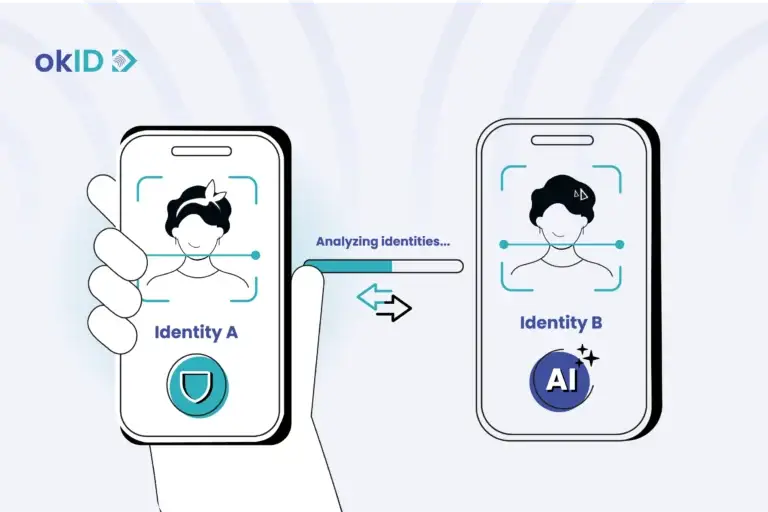
- The same face turns up behind more than one claimed identity.
- An account that showed little activity suddenly begins making far more transactions or using more credit.
- A device or network connection overlaps with accounts already associated with suspicious activity.
How Is Synthetic Identity Fraud Detected During Onboarding?
Detecting a synthetic identity requires more than checking one piece of information. Customer data, identity documents, the applicant’s face, and the verification process need to be reviewed together to determine whether they all belong to the same real person.
Identity Data Consistency
Details such as date of birth, phone number, and email are compared with one another. If each detail appears valid on its own but the information does not match one real person when viewed together, it may indicate a synthetic identity.
Document Verification
Document verification service checks the information on the document, the MRZ, expiry date, and security features. It also identifies whether the document has been altered or whether its information differs from the details provided by the customer.
Biometric Face Verification
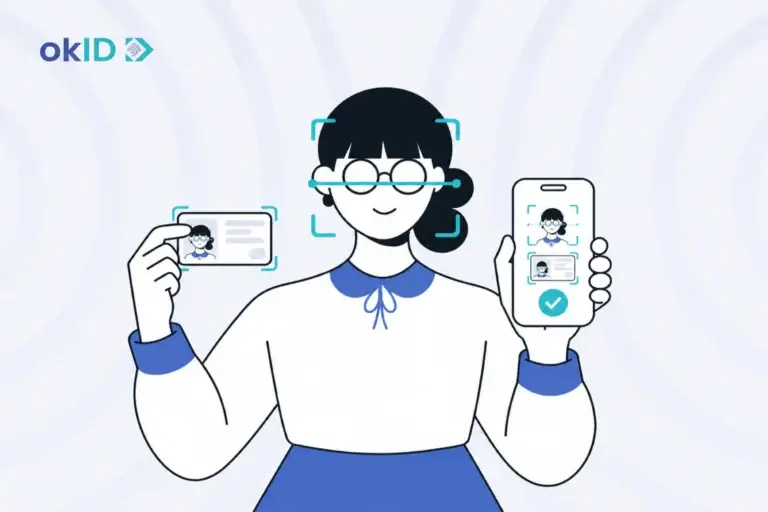
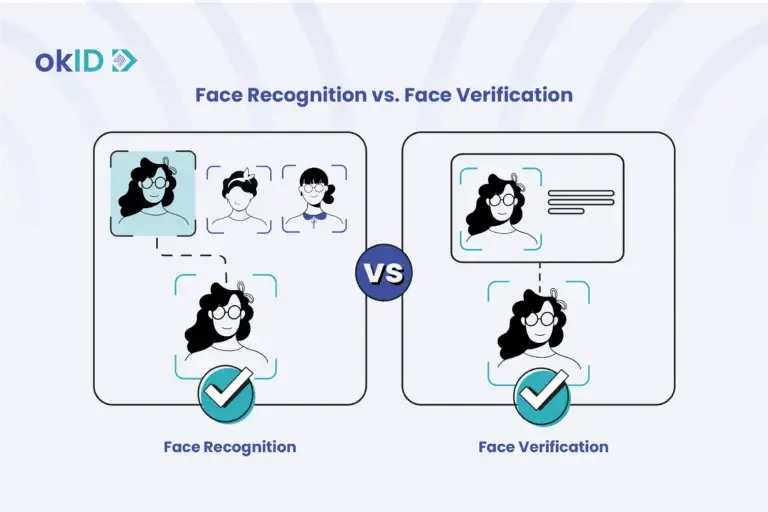
Biometric face verification matches the applicant’s face against the portrait on the ID. If businesses also need to find one person appearing under different identities, that requires a separate 1 biometric check or duplicate-face detection.
Liveness and Injection-Attack Detection
A photo held up to the camera or a replayed clip should not be enough to pass verification. Liveness checks help catch those attempts, while injection-attack detection covers cases where manipulated video enters the verification session directly.
Device and Network Intelligence
Device and network data, such as the same device being used for multiple identities, mismatches between IP addresses and location data, or a large number of applications submitted within a short period, can reveal signs of fraud.
Why Must Synthetic Identity Fraud Detection Continue After Onboarding?
Initial verification reduces risk, but it does not identify every synthetic scheme. Some warning signs only emerge after an account has been active for a period of time.
| Stage | What businesses can examine |
|---|---|
| Onboarding | Identity consistency, documents, face matching, liveness, device and network signals, repeated application patterns |
| After onboarding | First-login risk, device changes, contact-detail changes, account recovery, transaction anomalies, credit-building patterns, linked accounts, behavioral changes, step-up verification, periodic reverification, and manual investigations |
A profile that appeared low-risk at signup may later show behavioral drift through new devices, changed contact details, unusual recovery activity, connections to suspicious accounts, or transaction patterns that differ from its earlier behavior. These changes may develop gradually, which is why a point-in-time onboarding decision does not cover the full customer lifecycle.
How Is AI Changing Synthetic Identity Fraud?
AI helps fraudsters create identities that look more realistic. They can use AI-generated faces, deepfakes, voice cloning, and fabricated information to build a more complete identity.
Automated tools allow them to submit large numbers of applications and, after a rejection, change the information and try again. More realistic images and videos have also made this type of fraud harder to detect through human review alone.
At the same time, AI-supported fraud detection can examine identity data, user behavior, device signals, and network activity together to identify suspicious patterns. One of the most important fraud prevention trends is for businesses to use multiple detection methods together instead of relying on a single check.
How Can Businesses Prevent Synthetic Identity Fraud?
Businesses trying to prevent synthetic identity fraud need to check whether the submitted details belong to the same real person, whether the evidence supports that identity, and whether the account continues to behave consistently after approval.
Preventing synthetic identity fraud requires a broader fraud prevention approach that combines identity verification, data consistency checks, and ongoing risk monitoring.
- Identity details such as name, date of birth, address, and phone number are checked against one another and, where appropriate, against reliable data sources.
- The identity document is assessed for authenticity, and its information is compared with the details submitted by the customer.
- Biometric face verification compares the applicant’s face with the portrait on the identity document to confirm a 1:1 match.
- Liveness detection helps determine whether a real person is present during verification rather than a photo, replayed video, or similar presentation attack.
- Device, IP, location, and contact data provide additional signals that may reveal unusual activity.
- Shared devices, networks, phone numbers, or other repeated details can reveal links between identities that otherwise appear unrelated.
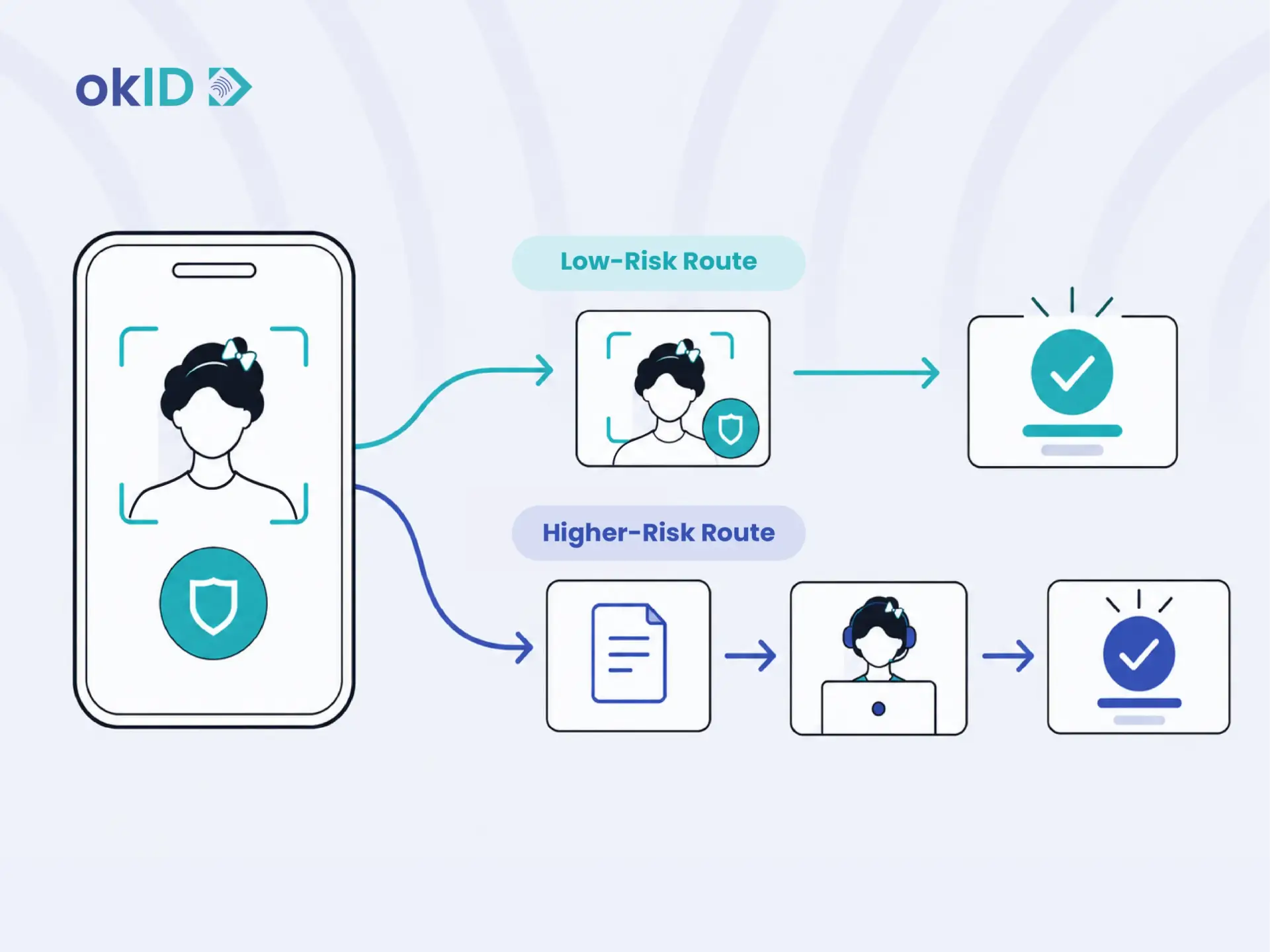
- Risk-based verification allows higher-risk applicants to go through additional checks while lower-risk cases follow a lighter path.
- Cases with unclear results or stronger risk signals can be escalated for manual review.
- Ongoing monitoring helps identify unusual account activity or suspicious changes that appear after onboarding.
- Detection rules, risk models, and escalation thresholds need regular updates as fraud methods change.
KYC (Know Your Customer) provides a structured point for verifying a customer’s claimed identity and applying relevant risk checks. It should remain part of a layered process because passing individual KYC checks does not prove that every submitted attribute belongs to the same real person.
How Can Businesses Reduce Fraud Without Hurting Conversion?
More checks are not always better. If every user has to go through the same difficult and lengthy process, legitimate customers may abandon onboarding because of extra document requests, delays, or repeated steps.
A better approach is to apply risk-based verification. Low-risk users can go through a simpler process, while suspicious or higher-risk cases receive additional checks or are sent for manual review.
Businesses should also track onboarding completion, false rejections, manual-review time, retry attempts, and fraud levels. The goal is to improve security without making the process unnecessarily difficult or time-consuming for legitimate users.
What Should Businesses Look for in Synthetic Identity Fraud Detection Technology?
When evaluating synthetic identity fraud detection technology, businesses should start with the fraud problem rather than the number of features. The system should connect identity data, documents, biometrics, liveness, devices, networks, and behavior so that suspicious relationships are visible instead of treating each signal or account in isolation.
When choosing a solution, businesses should look at whether it can connect signals that would otherwise appear valid on their own. It should help reviewers see when the document, face, device, or account activity no longer supports the same customer profile. Security, integration, geographic coverage, and false-positive handling still matter, but they should support that core detection goal.
When comparing fraud prevention solutions, check how each tool identifies risk across the customer lifecycle, whether it can detect links between multiple identities, and what information it provides to review teams for decision-making. It is also important to understand how detection settings can be adjusted and how effectively the system identifies real fraud without generating unnecessary false positives.
How Should Businesses Build a Synthetic Identity Fraud Response Plan?
A response plan turns synthetic identity fraud detection into an operating process. Businesses should first identify the products and customer journeys most exposed to synthetic fraud, then map the identity data collected, the controls already in place, and the fraud scenarios they have encountered or need to prepare for.
Next, businesses should identify which parts of onboarding and post-onboarding carry higher risk and which cases need further review. Teams should also track confirmed fraud and false positives, then update their rules and controls as fraud methods change.
Risk may also need to be reassessed after customer approval, for example, when identity data, device information, contact details, or account behavior changes. For higher-risk cases, businesses can use platforms such as okID for document authenticity checks, biometric face matching, and liveness detection.
Conclusion
Synthetic identity fraud occurs when real and fabricated information are combined to create a new identity. Detecting it requires more than checking one document or one piece of information. Identity data, documents, biometric face verification, liveness detection, and account behavior need to be reviewed together. These checks should also continue after onboarding with a suitable tool so that risk can be reassessed when customer information, devices, or account behavior changes.
FAQs About Synthetic Identity Fraud
What Is Synthetic Identity Fraud?
Synthetic identity fraud happens when real and fabricated information are combined to create a new identity. This identity may not belong to any real person.
How Does Synthetic Identity Fraud Differ From Identity Theft?
In identity theft, a real person’s identity is misused. In synthetic identity fraud, different pieces of information are combined to create a new identity.
How Do Fraudsters Create Synthetic Identities?
Fraudsters combine real information with fabricated details and use them to create a new identity. They may then create identity documents or a history for that identity.
Why Is Synthetic Identity Fraud Difficult to Detect?
Some parts of the identity may be real and pass initial checks. As a result, the identity may appear legitimate at first.
Which Warning Signs Support Synthetic Identity Fraud Detection?
Important warning signs include inconsistencies between identity details, multiple identities using the same device or phone number, differences between the document and submitted information, and the same face being used for several identities.
Can Document Verification Detect Synthetic Identities?
To some extent. Document verification can identify alterations, photo substitution, or inconsistencies in document information, but a genuine document alone does not prove that the entire identity is real.
How Do Biometrics Help Prevent Synthetic Identity Fraud?
Biometric face verification compares the applicant’s face with the photo on the identity document and checks whether a real person is present during verification. This can help identify the use of someone else’s document or the same face across multiple identities.
Can Synthetic Identities Pass Standard KYC Checks?
Yes. If some of the information is genuine or the details appear consistent at first, a synthetic identity may pass an initial KYC (Know Your Customer) check.
How Is Generative AI Used to Create Synthetic Identities?
Fraudsters can use generative AI to create faces, deepfake videos, voices, documents, and even digital histories that make a fabricated identity look more realistic. They can also create and test several versions of an identity more quickly to see which one passes identity verification.
Which Industries Are Most Exposed to Synthetic Identity Fraud?
Financial services and fintech, ecommerce, telecommunications, crypto platforms, iGaming, and other digital services are more exposed to this type of fraud.
Why Must Synthetic Identity Detection Continue After Onboarding?
Some signs of fraud appear after the account has been created. Changes in devices, contact information, account behavior, or links to other accounts can reveal new risk signals.
What Should Businesses Evaluate in Synthetic Identity Fraud Detection Software?
Businesses should evaluate how the software checks identity data, documents, biometric face verification, liveness detection, devices, user behavior, and risk. Data security, API or SDK options, geographic coverage, and false-positive management are also important.